


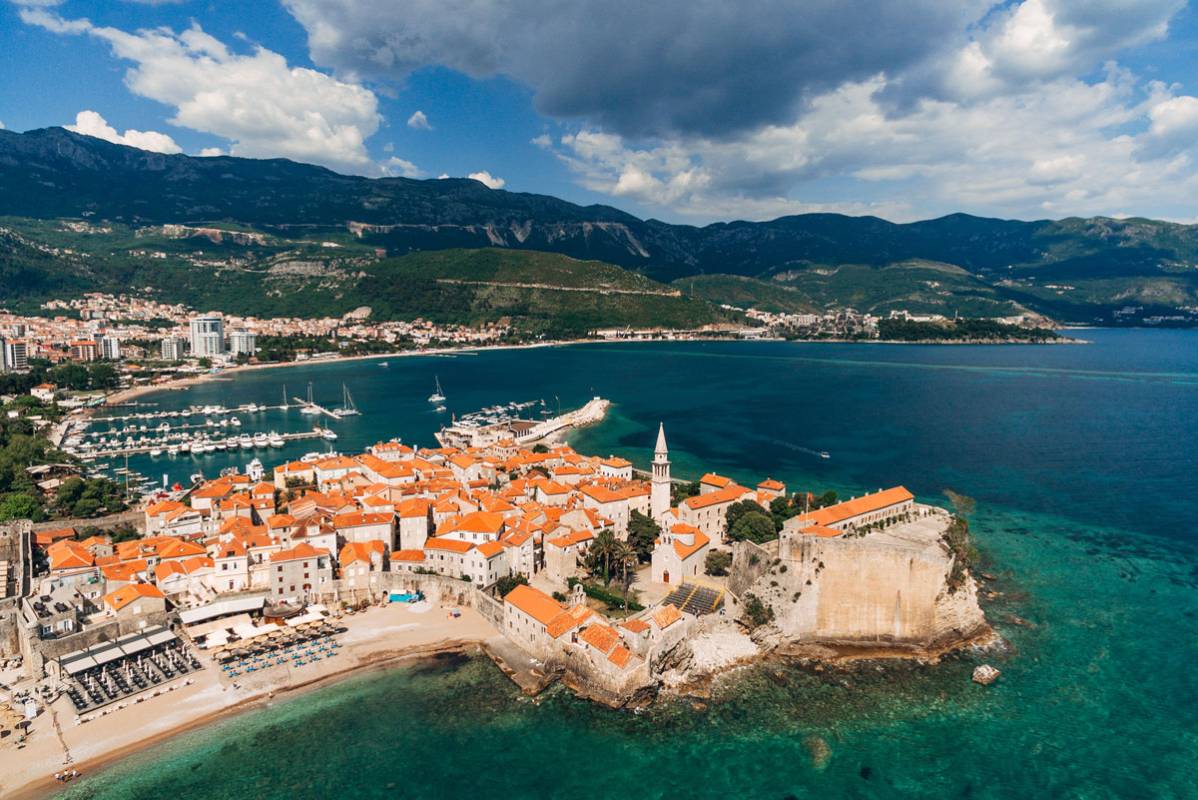
Kotor is a city that tourists love but rarely truly get to know. Most visitors stroll through the Old Town, stop at the Square of Arms, have a coffee by the canal, and move on. What remains unseen is often far more interesting than what appears in every travel guide.
The Kotor city walls, which climb the steep hillside above the town, are admired by many from a distance. Those who take on the ascent of over 1,350 steps are rewarded with one of the most spectacular views in the entire Mediterranean — the bay spread out before you like a map, surrounded by mountains and the Adriatic Sea. At the top stands the Fortress of St. John, whose walls bear traces of history stretching from Illyrian times to Venetian rule.
Few people know that Kotor has four entrance gates into the Old Town, of which the North Gate is the least well known and often completely deserted. Passing through it, you discover the quieter side of the old core — stone alleyways without souvenir kiosks, local taverns, and authentic architecture that still breathes everyday life.
Kotor also conceals one of the oldest theatres in the Balkans — the Kotor Civic Theatre, founded in the 18th century — as well as a rich ecclesiastical heritage that includes the Cathedral of Saint Tryphon, with relics of the city's patron saint. The museums of Kotor house artefacts that bear witness to the centuries-old maritime tradition of the Bay of Kotor.
For those considering purchasing property in this area, Kotor offers something rare — a historic setting under UNESCO protection, high tourist demand year-round, and a growing short-term rental market. Old Kotor stone buildings and apartments in renovated palaces represent an investment with character and a long-term outlook.